
Description
Product Overview
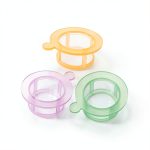
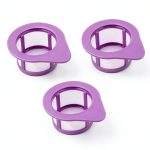
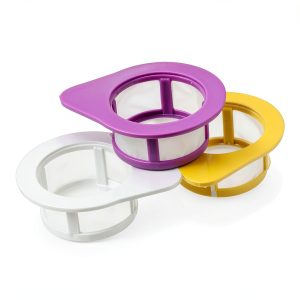
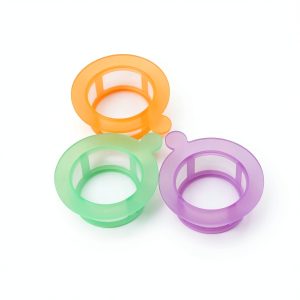
The Corning Lab Cell Strainer (model 1198D11CS) is engineered for researchers who demand consistent, high‑quality filtration in cell culture, tissue processing, and sample preparation. Constructed from a robust nylon mesh, the strainer delivers three selectable pore sizes—40, 70, and 100 microns—allowing you to tailor filtration precision to the specific requirements of your experiment. The mesh is evenly spaced, ensuring uniform flow and preventing cross‑contamination between samples. Each strainer measures 12 x 9 x 5 inches and weighs only 8 ounces, making it lightweight yet sturdy enough to withstand routine laboratory handling.
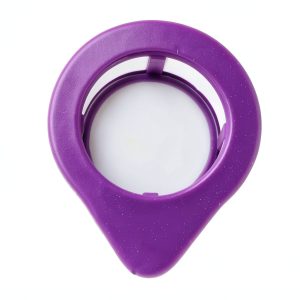
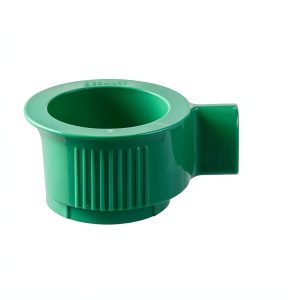
Beyond the mesh, the design incorporates an extended lip that protrudes beyond the filter surface. This lip enables aseptic manipulation with forceps, reducing the risk of introducing contaminants during transfer or removal. The strainer is supplied in individual, sterile packaging, guaranteeing that each unit remains free from microbial exposure until the moment of use. The product complies with Corning’s rigorous quality standards, reflecting the company’s long‑standing reputation for delivering reliable scientific tools.
Technical specifications include a model number of 1198D11CS, a first‑available date of July 30, 2016, and an ASIN of B01JDDYQQ8. In the Industrial & Scientific category, the strainer holds a best‑sellers rank of #160,920 and is ranked #2 in Lab Cell Strainers, underscoring its popularity among professionals who value performance and consistency.
![[Product front view showing all components]](https://www.quenvora.store/wp-content/uploads/2026/06/5a8f4bfeb00d4d4eacd0e62a55027a62.jpg)
Usage
This strainer excels in environments where sterility and precision are paramount. Whether you are filtering cell suspensions, separating tissue fragments, or clarifying culture media, the Corning Lab Cell Strainer provides reliable performance. The selectable pore sizes allow you to quickly adapt to different sample types—use the 40‑micron option for finer debris removal, the 70‑micron for standard cell culture work, and the 100‑micron for larger tissue fragments. The extended lip facilitates aseptic handling, making the strainer ideal for clean‑room settings, biosafety cabinets, and any workflow that requires minimal exposure to the external environment.
Researchers in academic labs, biotech firms, and clinical research facilities all benefit from the strainer’s versatility. Its lightweight construction simplifies stacking and storage, while the individual packaging ensures that each unit remains ready for immediate use without additional sterilization steps. The strainer’s dimensions fit comfortably into standard laboratory equipment such as centrifuge tubes, filtration assemblies, and multi‑well plates, providing seamless integration into existing protocols.
Why Choose Us
Choosing the Corning Lab Cell Strainer means selecting a product backed by decades of material science expertise and a commitment to quality assurance. Corning rigorously tests each batch for pore uniformity, tensile strength, and sterility, ensuring that every strainer meets exacting performance criteria. The nylon mesh is chemically resistant, allowing it to withstand a variety of buffers, enzymes, and solvents commonly used in laboratory procedures without degradation.
In addition to material durability, Corning provides comprehensive customer support. Our technical service team is available to assist with protocol optimization, troubleshooting, and any questions regarding product compatibility. We also offer a straightforward return policy and rapid replacement options should you encounter any issues. This level of after‑sales service reinforces the confidence that researchers place in Corning products, making the Lab Cell Strainer a dependable component of any scientific workflow.
Key Features
- Strong nylon mesh with selectable 40, 70, or 100 micron pores for adaptable filtration precision.
- Extended lip design enables aseptic handling with forceps, minimizing contamination risk.
- Individual sterile packaging ensures each strainer remains contamination‑free until use.
- Lightweight yet durable construction fits standard lab equipment and simplifies storage.
- Dedicated Corning technical support and rapid replacement service for peace of mind.
FAQ
What pore size should I select for my cell culture application?
The choice depends on the size of the particles you need to remove. For most mammalian cell cultures, the 70‑micron option provides an optimal balance between retaining cells and allowing media flow. Use 40 microns for finer debris or smaller cell types, and 100 microns for larger tissue fragments.
Can the strainer be autoclaved for additional sterilization?
Yes, the nylon mesh is compatible with standard autoclave cycles (121 °C, 15 psi, 30 minutes). However, because each strainer is supplied sterile, autoclaving is generally unnecessary unless your protocol specifically requires it.
Is the strainer compatible with all types of buffers and solvents?
The nylon material is chemically resistant to most aqueous buffers, saline solutions, and common laboratory solvents such as ethanol and isopropanol. For highly aggressive chemicals, consult the material safety data sheet to confirm compatibility.
How many strainers are included in a typical order?
Strainers are sold individually in sterile packaging, allowing you to order exactly the quantity you need. Bulk purchasing options are available for larger laboratories or institutional buyers.
What warranty does Corning provide for this product?
Corning offers a limited one‑year warranty covering manufacturing defects. If you experience any issues within this period, contact our customer service team for a replacement or refund.
 Podcast Guide English Kindle eBook Digital Audio Production
Reviews
There are no reviews yet.